Myths About Adult Braces: Practical Guidance
myths about adult braces deserves a balanced, individual approach. This guide explains what myths about adult braces can involve, the practical benefits and limitations, and why a professional orthodontic diagnosis matters.
Introduction
As the world of orthodontics continues to evolve, a growing number of adults are considering braces as a viable option for achieving a straighter smile. Unfortunately, many misconceptions linger around adult braces, leading to hesitation and misinformation. This article will debunk five common myths about adult braces, shedding light on their benefits, treatment process, and long-term impact on oral health.
Misconception 1: Braces Are Only for Kids
Understanding the Growing Trend Among Adults
One of the most pervasive myths surrounding braces is that they are exclusively for children and teenagers. However, the reality is quite different. An increasing number of adults are opting for orthodontic treatment. According to the American Association of Orthodontists, nearly one in four orthodontic patients is an adult. This shift is attributed to various factors, including improved access to dental care and a growing awareness of the importance of oral health.
Adults today are more concerned than ever about their appearance and self-confidence. The stigma that once accompanied wearing braces in adulthood is fading, with many individuals openly embracing orthodontic treatment as part of their self-care routine. From corporate professionals to active retirees, the spectrum of adult brace wearers is broad, demonstrating that it’s never too late to invest in one’s smile.
Reasons Adults Choose Braces
There are several reasons adults choose braces. Some may have had orthodontic treatment in their youth but experienced shifts in their teeth as they aged. Others may have never had braces and are seeking to correct alignment issues that have affected their oral health for years. Additionally, adults might pursue braces for aesthetic reasons, wanting to enhance their smile for personal or professional reasons.
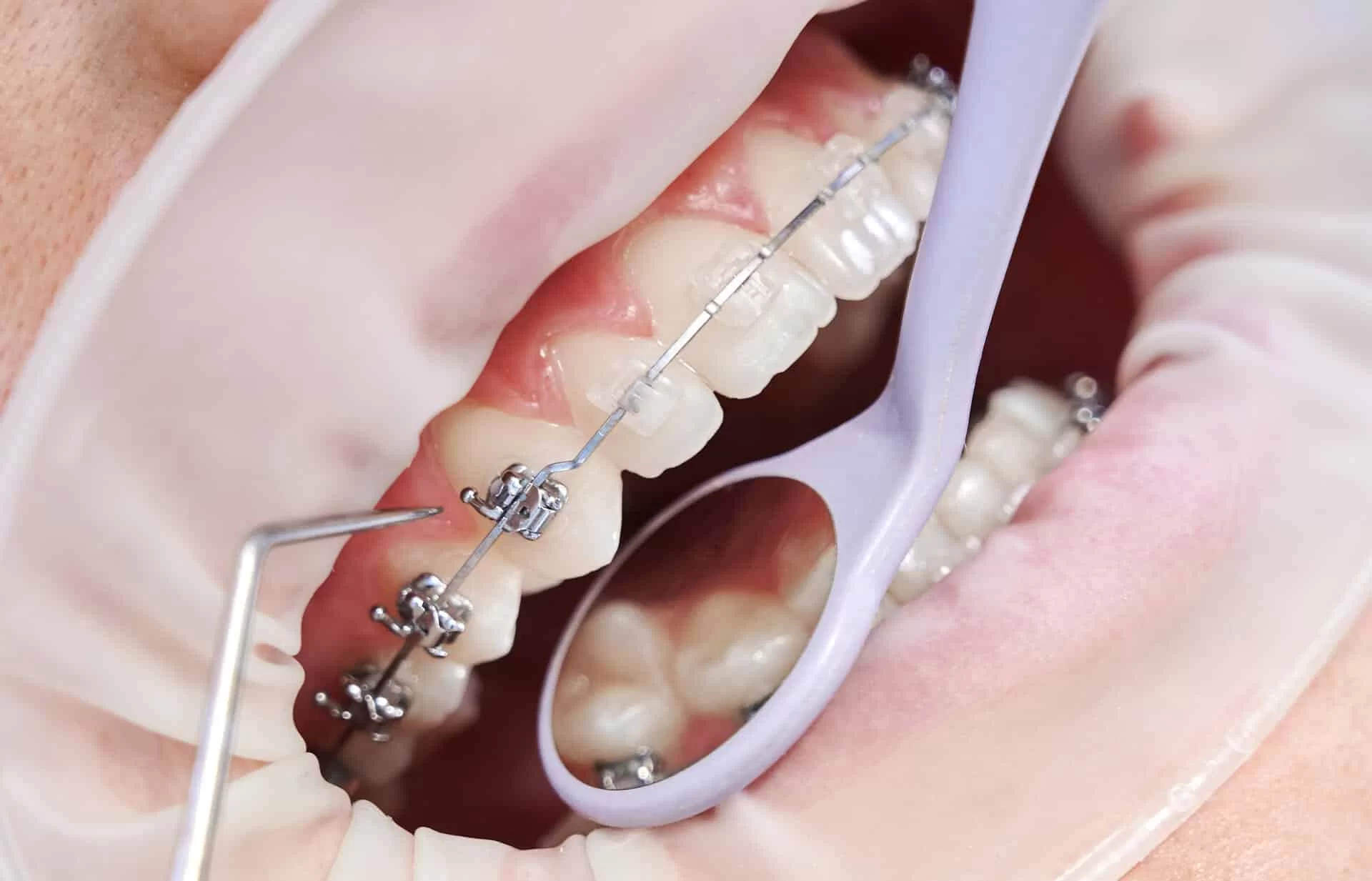
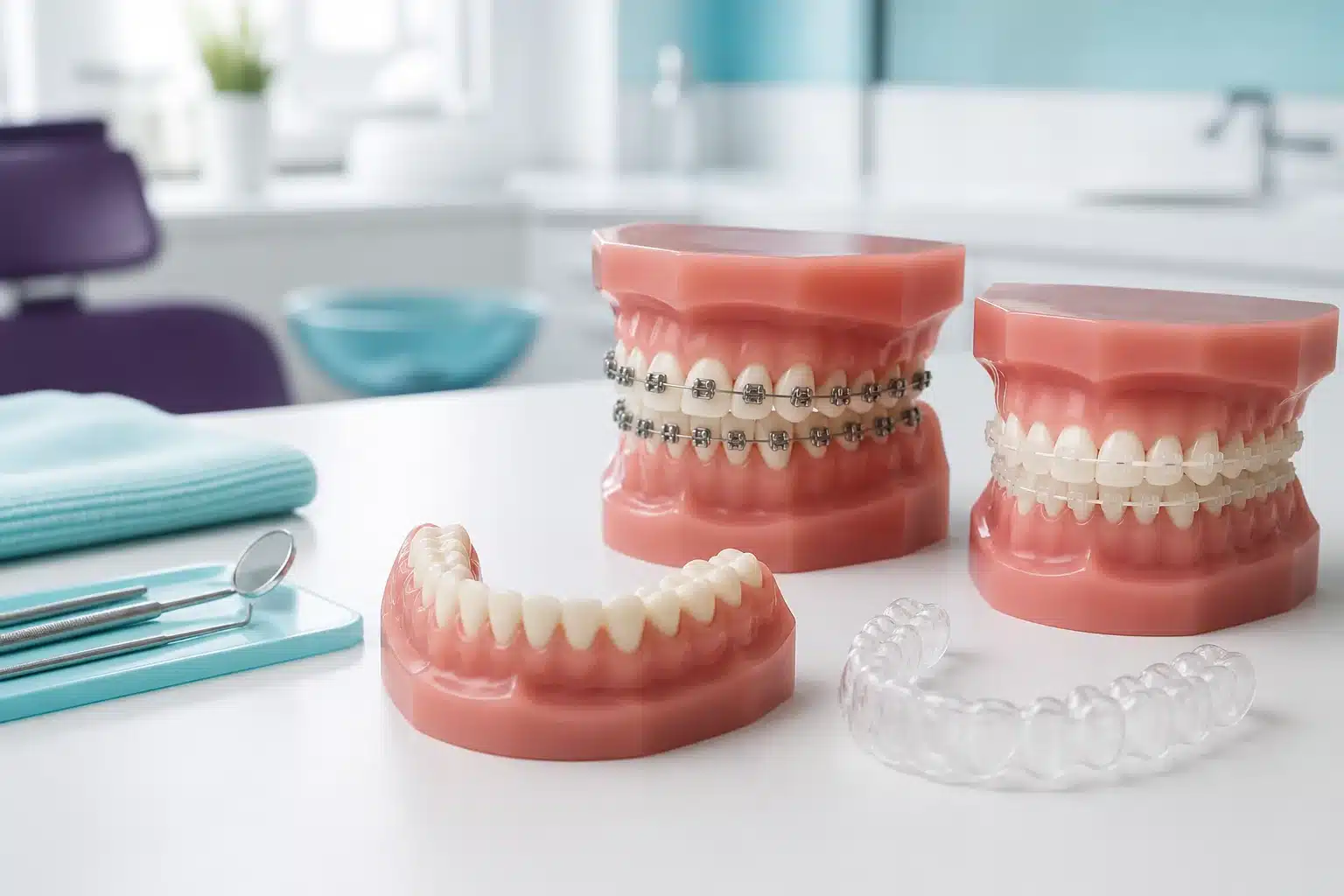
Moreover, the advent of clear aligners and ceramic braces has made treatment more appealing, offering discreet options that fit seamlessly into an adult’s lifestyle. The increasing focus on appearance in the workplace and social environments further influences adults to consider orthodontic treatment.
Misconception 2: Braces Are Extremely Painful
Modern Advancements in Orthodontics
Traditionally, many people associated braces with discomfort and pain. While some discomfort is expected, it is usually manageable and significantly less than what was experienced in the past. Modern orthodontics has introduced various techniques and technologies that minimize discomfort. For example, many orthodontists now utilize heat-activated archwires that are more gentle on teeth and gums.
Additionally, advancements in bracket design have made braces more comfortable. Many patients report only mild discomfort following adjustments, akin to a dull ache that fades after a day or two. Over-the-counter pain relievers can help manage any temporary discomfort, making the experience much less daunting than it once was.
What to Expect During Treatment
It is essential for adults considering braces to have realistic expectations. Initial placement of braces may cause some discomfort, as patients will need to adjust to the feeling of having braces on their teeth. However, orthodontists typically schedule follow-up appointments every four to six weeks to make adjustments, which can lead to some transient discomfort but is generally tolerable.
For the vast majority of patients, the treatment process becomes easier over time as they acclimate to the feel of the braces. Regular communication with the orthodontist can also help alleviate concerns and provide strategies for managing any discomfort effectively.
Misconception 3: Braces Will Take Forever to Work
Factors That Influence Treatment Duration
Another common misconception is that orthodontic treatment takes years to achieve results. In reality, the duration of treatment varies significantly from person to person and is influenced by several factors, including the severity of the alignment issue, the type of braces used, and patient compliance with orthodontist recommendations.
For adults, treatment times can range from six months to three years, with most cases falling between 12 to 18 months. Factors such as age, overall dental health, and the complexity of the case can affect treatment duration. Adults tend to have more complex alignment issues, but they are also often more committed to following the orthodontist’s instructions, which can expedite the process.
Realistic Timelines for Adults
While it’s important to understand that every case is unique, an orthodontist can provide a more accurate estimate of treatment duration after a thorough assessment. Many adults are surprised at how quickly they can achieve their desired results, especially with innovations in orthodontic technology that facilitate faster movement of teeth.
Regular appointments and diligent oral hygiene practices can help keep the treatment on schedule. Patients can also utilize innovations like clear aligners, which tend to offer more flexibility in terms of wear and can potentially shorten treatment times for some individuals.
Misconception 4: You Can’t Eat Your Favorite Foods
Foods to Avoid vs. Foods You Can Enjoy
A common concern for adults considering braces is restrictive diet limitations. While certain foods should be avoided to prevent damage to the braces or delays in treatment, many adults are surprised to find that they can still enjoy a variety of foods. Hard, sticky, and chewy foods are generally off-limits as they can break brackets or dislodge wires. This includes items like popcorn, chewing gum, and hard candies.
On the other hand, there are plenty of delicious foods that can be enjoyed while wearing braces. Soft fruits, cooked vegetables, dairy products, and grains are all safe options. Having a balanced diet is still straightforward, as most foods can be adapted for braces wearers. For instance, slicing fruits or cooking vegetables until they are tender can make them more manageable.
Tips for Maintaining a Balanced Diet
To maintain a balanced diet while wearing braces, it’s essential to focus on nutrients that promote oral health. Calcium and vitamin D are particularly important for maintaining strong teeth and bones. Additionally, staying hydrated and choosing whole foods over processed ones will contribute positively to overall health.
Utilizing tools like a food diary can help patients track their dietary habits while they adjust to braces. This can also serve as a reminder to ensure they are consuming a variety of nutrients, aiding in both oral health and overall wellness.
Misconception 5: Braces Are Just for Aesthetic Reasons
The Importance of Oral Health
While many adults pursue braces for cosmetic reasons, it’s crucial to emphasize that braces serve a significant functional purpose. Misaligned teeth can lead to a host of dental issues, including uneven wear, jaw pain, and increased risk of cavities. Proper alignment can improve bite function, making it easier to chew and speak.
Moreover, the alignment of teeth has a direct impact on oral hygiene. Crooked teeth can create hard-to-clean areas, leading to plaque buildup and an increased risk of gum disease. By straightening teeth, braces can facilitate better oral hygiene practices, ultimately promoting healthier gums and teeth.
Long-Term Benefits Beyond Straightening Teeth
The benefits of braces extend beyond just aesthetics. Patients often experience improvements in their overall oral health, which can lead to reduced dental bills in the long run. Additionally, many individuals report enhanced self-esteem and confidence following orthodontic treatment, contributing positively to their personal and professional lives.
In the long run, braces can help establish a healthier bite, reducing stress on the jaw and preventing potential complications such as temporomandibular joint (TMJ) disorders. Thus, investing in braces is not merely about aesthetics but rather a commitment to long-term health and wellness.
Conclusion
In conclusion, understanding the realities of adult braces can help dispel common misconceptions that may deter individuals from seeking treatment. The benefits of orthodontic treatment extend far beyond mere aesthetics, encompassing improved oral health, enhanced self-esteem, and better overall functionality. By addressing these myths, adults can make informed decisions about their oral care and embrace the journey to a healthier, more confident smile.
FAQs
1. How much do adult braces typically cost?
The cost of adult braces can vary based on several factors, including the type of braces chosen, the complexity of the case, and geographical location. On average, treatment costs can range from $3,000 to $8,000. It’s advisable to consult with an orthodontist for a detailed estimate tailored to individual needs.
2. How often do I need to visit the orthodontist during treatment?
Most patients will need to visit their orthodontist every four to six weeks for adjustments. These regular visits are essential for monitoring progress and making any necessary changes to the treatment plan.
3. Can adults wear braces if they have dental work such as crowns or bridges?
Yes, adults can still wear braces even if they have crowns or bridges, but the orthodontist will need to assess the specific situation. In some cases, special techniques or types of braces may be used to accommodate existing dental work.
4. How do I care for my teeth while wearing braces?
Maintaining good oral hygiene while wearing braces is crucial. Patients should brush their teeth at least twice a day and floss daily, using orthodontic flossers or soft picks designed for braces. Regular visits to the dentist for cleanings will also support oral health during treatment.
5. Are there alternatives to traditional metal braces?
Yes, there are several alternatives to traditional metal braces, including ceramic braces that blend with the natural color of teeth and clear aligners like Invisalign. Each option has its pros and cons, so discussing preferences with an orthodontist can help determine the best fit.
Next Steps for Myths About Adult Braces
If you are considering myths about adult braces, explore this related treatment resource and the next patient guide. For balanced clinical background, read this orthodontic patient resource.
Individual suitability, timing and outcomes vary. A consultation turns general information into a personal treatment plan.
Book an orthodontic consultationClinical note: This article is general education and does not replace an individual examination or diagnosis.
Common Myths About Braces and Adult Treatment
Common myths about braces can discourage people from getting braces as an adult. A specialist can separate myth from fact, explain braces as an adult and address common myths about orthodontic treatment. Explore discreet fixed options and orthodontic care in Johannesburg.