Early Orthodontic Treatment: Practical Guidance
early orthodontic treatment deserves a balanced, individual approach. This guide explains what early orthodontic treatment can involve, the practical benefits and limitations, and why a professional orthodontic diagnosis matters.
Introduction
As parents, ensuring the overall well-being of our children is a top priority. One crucial aspect of that well-being is dental health, which lays the foundation for both physical health and emotional confidence. Early orthodontic treatment is a vital part of this equation. This article aims to provide a comprehensive understanding of early orthodontic treatment, including its definition, timing, benefits, and what parents should know to make informed decisions for their children.
Importance of Dental Health in Children
The significance of dental health in children goes beyond just having a pretty smile; it impacts their ability to eat, speak, and even socialize. Poor dental alignment can lead to a host of issues, including difficulty in chewing and an increased risk of dental decay. Furthermore, children with misaligned teeth may experience feelings of inadequacy or low self-esteem, potentially affecting their social interactions and development.
Overview of Orthodontic Treatment
Orthodontic treatment aims to correct misalignments of the teeth and jaws. While many associate braces with teenagers, early orthodontic intervention can be highly beneficial for younger children. Early treatment can prevent more severe issues from developing later on, creating a solid foundation for a healthy smile as they grow.
What is Early Orthodontic Treatment?
Definition and Timing
Early orthodontic treatment, often referred to as Phase I treatment, typically begins around ages 7 to 10. This period is when the first adult molars erupt and provide an ideal opportunity to assess the alignment of the teeth and jaw structure. The goal is not necessarily to implement full orthodontic appliances like braces at this stage, but rather to create a treatment plan that will guide proper growth.
Common Early Orthodontic Issues
Common issues addressed during early orthodontic treatment include crowded teeth, gaps between teeth, and crossbites, where the top and bottom teeth do not align properly. Early intervention can also address thumb-sucking or finger-sucking habits that can impact dental alignment. By identifying these issues early, orthodontists can take proactive measures to prevent complications down the line.
Benefits of Early Orthodontic Treatment
Improved Dental Alignment
One of the primary benefits of early orthodontic treatment is improved dental alignment. Correcting misalignments early can lead to a more balanced bite and healthier teeth. This can significantly reduce the risk of dental problems later in life, such as tooth decay or periodontal disease, which can arise from improperly aligned teeth.
Enhanced Facial Structure
Early treatment can influence the growth of facial bones, promoting a more aesthetically pleasing jawline and overall facial symmetry. This is particularly significant during periods of rapid growth in children, where guidance from orthodontic intervention can lead to lasting changes in appearance.
Prevention of Future Dental Problems
By addressing orthodontic issues early, parents can help prevent more serious dental concerns that may require extensive treatment later. For example, problems like impacted teeth or jaw discrepancies can lead to more painful and costly treatments if neglected. Early intervention also lays the groundwork for easier transitions into Phase II treatments, which typically involve braces or aligners.
Boosted Self-Esteem and Confidence
Children with properly aligned teeth often experience higher self-esteem and greater confidence, especially during formative years when appearance can significantly impact social interactions. Early orthodontic treatment can provide children with a more positive self-image, allowing them to engage more freely in social situations and academic settings.
When Should You Consider Early Treatment?
Signs That Your Child May Need Treatment
Parents should be vigilant for signs indicating their child may benefit from orthodontic evaluation. These signs include difficulty chewing or biting correctly, prolonged thumb-sucking, mouth breathing, and noticeable overcrowding or spacing issues with teeth. If your child experiences discomfort or frequently bites their cheeks or tongue, these are also indicators that a visit to the orthodontist may be necessary.
Recommended Age for Evaluation
The American Association of Orthodontists recommends that children receive their first orthodontic evaluation by age 7. At this age, the orthodontist can assess the child’s dental structure, the eruption of adult teeth, and any existing issues. Early assessments can help plan treatment effectively and address problems before they worsen.
The Orthodontic Consultation Process
What to Expect During the First Visit
Assessments and Diagnosis
Based on the initial evaluation, the orthodontist will discuss any potential issues and recommend a treatment plan if necessary. This may involve monitoring the child’s growth and development or initiating early treatment if immediate concerns are identified. Parents will have the opportunity to ask questions and gain clarity on the proposed approach.
Types of Early Orthodontic Treatments
Braces vs. Clear Aligners
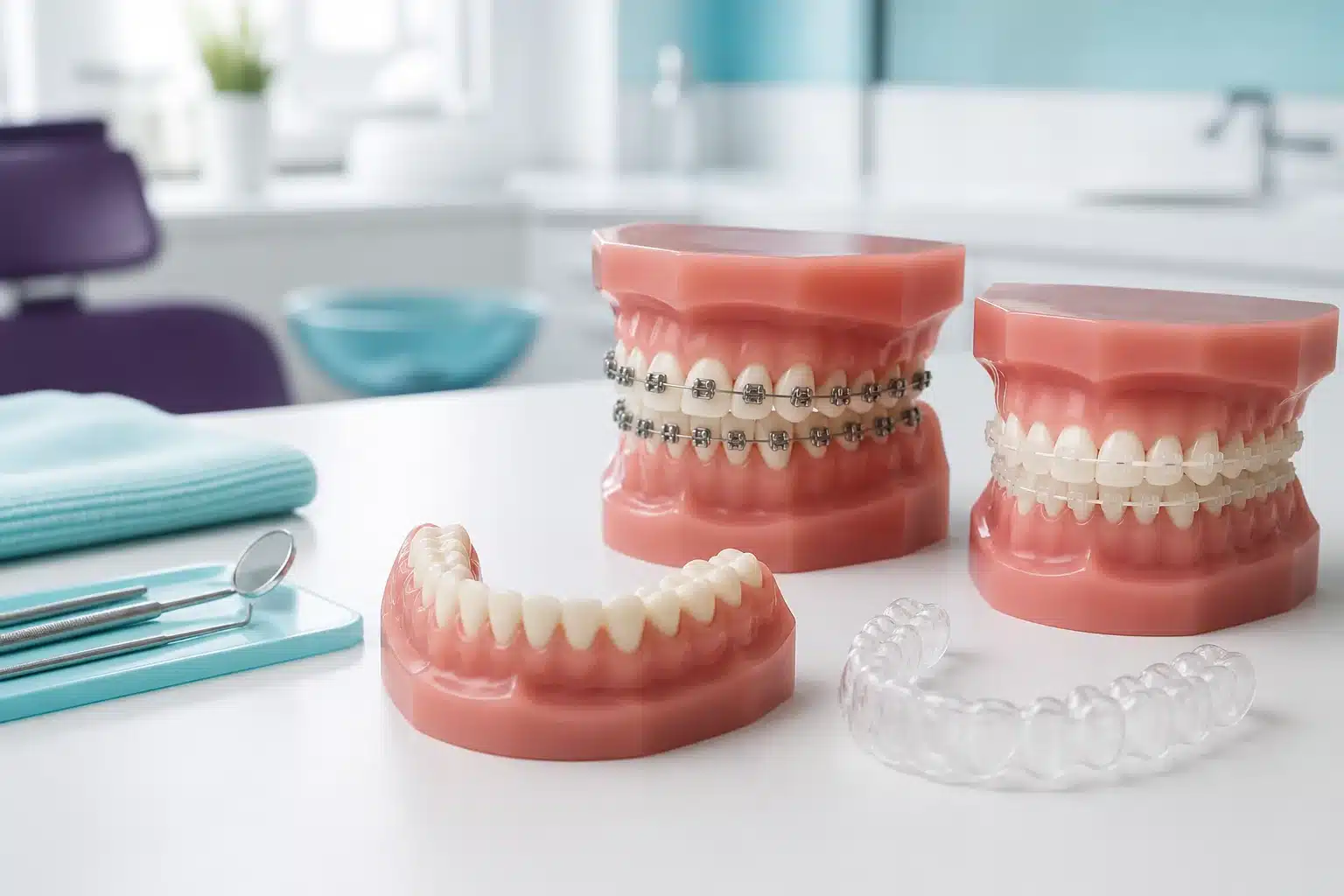
Braces have long been the traditional orthodontic treatment, consisting of brackets and wires that gradually shift teeth into alignment. They can be highly effective for various dental issues and are often necessary for more complex cases. On the other hand, clear aligners, like Invisalign, offer a more discreet option for those who may not want metal brackets. They are removable and can be a great option for early treatment, especially for older children and teens.
Other Treatment Options
In addition to braces and aligners, other treatment options might include partial braces or palatal expanders. Palatal expanders can widen the upper jaw to create more space for erupting teeth, which is particularly useful for children with crowded teeth or crossbites. The choice of treatment will depend on the individual needs of the child, their age, and the specific dental issues present.
Financial Considerations
Understanding Costs
The cost of orthodontic treatment can vary widely based on the complexity of the case and the type of appliances used. Early treatment may be more affordable than comprehensive treatment in later years, but it’s essential to discuss costs upfront during the consultation. Many orthodontists will provide a detailed breakdown of expected expenses and payment options.
Insurance and Financing Options
Many dental insurance plans include some coverage for orthodontic treatment, particularly for children. It is advisable for parents to check their plans and understand the extent of coverage available. Additionally, many orthodontic offices offer financing plans that allow families to spread out costs over time, making treatment more accessible.
Conclusion
Recap of Key Points
Early orthodontic treatment is a proactive approach that can greatly benefit a child’s dental health and overall well-being. By identifying and addressing misalignments at an early age, parents can help prevent more severe issues from developing later. The benefits include improved dental alignment, enhanced facial structure, prevention of future problems, and boosted self-esteem.
Encouragement to Seek Professional Advice
Understanding the importance of early orthodontic intervention can help parents make informed decisions regarding their child’s dental health. If you notice any signs of dental misalignment or have questions about your child’s dental development, don’t hesitate to consult an orthodontist. Proactive steps taken today can lead to a healthier, happier smile for your child tomorrow.
FAQs
What is the ideal age for a child’s first orthodontic consultation?
The American Association of Orthodontists recommends that children have their first orthodontic check-up by age 7. This allows orthodontists to assess the child’s dental development and identify any potential issues early.
Are there risks associated with early orthodontic treatment?
While early orthodontic treatment is generally safe and beneficial, potential risks include over-treatment or unnecessary interventions. It is essential to have a qualified orthodontist evaluate your child’s needs carefully.
What are the signs that my child may need orthodontic treatment?
Signs may include difficulties in chewing, prolonged thumb-sucking, mouth breathing, overcrowding, or noticeable gaps between teeth. If you observe these issues, consult an orthodontist for evaluation.
Is early orthodontic treatment more expensive than treatment later on?
Early orthodontic treatment can sometimes be less expensive than comprehensive treatment required later. However, costs vary based on individual circumstances, so discussing financial options with your orthodontist is crucial.
Can clear aligners be used for early orthodontic treatment?
Yes, clear aligners can be an option for some children, particularly older ones, as they provide a discreet and removable treatment alternative. However, they may not be suitable for all cases; a consultation with an orthodontist will clarify the best option.
Next Steps for Early Orthodontic Treatment
If you are considering early orthodontic treatment, explore this related treatment resource and the next patient guide. For balanced clinical background, read this orthodontic patient resource.
Individual suitability, timing and outcomes vary. A consultation turns general information into a personal treatment plan.
Book an orthodontic consultationClinical note: This article is general education and does not replace an individual examination or diagnosis.